
For many parents, emotional regulation can feel like a vague concept. We know it is important, but many of us were never truly taught how to do it ourselves. Especially if we grew up in environments where emotions were dismissed, punished, ignored, or met with anger. One of the hardest parts of parenting is realizing that our children often expose the emotional skills we were never taught. The moments that overwhelm us, trigger us, or push us to react are often the same moments revealing where we still need healing, awareness, and growth.
Most of us were taught how to read, how to write, how to behave in public – but very few of us were ever taught how to understand our emotions.
Instead, many adults grew up hearing things like: “You’re fine.” “Stop crying.” “Calm down.” “Don’t be so dramatic.”
So we learned to suppress feelings instead of process them and avoid them instead of understanding them. And then we became parents, trying to teach emotional regulation to children while still struggling to understand our own emotions ourselves. Emotional intelligence is not about being calm all the time, or even always getting it right, rather than being about understanding what you’re feeling, why you’re feeling it, and what to do with those emotions in healthy ways. Children do not learn emotional regulation from lectures, they learn it from watching us live it. They learn from the way we respond under pressure. The way we repair after hard moments. The way we speak to ourselves and to them when emotions run high.
So what does emotional regulation actually look like as a parent?
It is not being emotionless, or never getting frustrated, but instead it is learning how to move through frustration without losing connection.
Emotional regulation looks like:
- taking a breath before responding in anger
- walking away for a moment instead of yelling
- apologizing and reconnecting after handling something poorly
- staying calm enough to hold a boundary without escalating the situation
- learning to identify what you are feeling instead of exploding from it
- noticing your tone before your child notices it for you.
- It looks like recognizing when your own stress, exhaustion, or unresolved emotions are entering the room before your words do (because energy carries and children feel it deeply).
- understanding your triggers instead of parenting from them.

Why Emotional Intelligence Matters in Parenting
Emotional intelligence matters in parenting because our children learn far more from what we model than from what we say. The way we handle stress, frustration, disappointment, conflict, and overwhelm becomes the blueprint our children use to understand emotions, relationships, and even themselves. When a parent responds with emotional awareness instead of immediate reaction, it teaches a child that emotions are not something to fear, suppress, or explode from. It teaches them that feelings can be acknowledged, processed, and expressed in healthy ways.
Children raised in emotionally aware environments often develop stronger confidence, communication skills, resilience, empathy, and emotional security because they learn that their emotions are safe to bring forward instead of something they must hide. Emotional intelligence also strengthens connection within the parent-child relationship. It allows parents to respond with curiosity instead of shame, guidance instead of intimidation, and regulation instead of escalation. This does not mean parents never make mistakes or experience frustration. It means children witness repair, accountability, calm leadership, and emotional safety in action. Over time, those moments shape not only behavior, but the emotional foundation children carry into friendships, future relationships, and adulthood itself.
Children learn emotional regulation from the environments they grow up in. Not just from what we say, but from what we model.
They notice:
- how we respond to stress
- how we handle frustration
- whether emotions feel safe or shameful
- and whether hard feelings are met with connection or punishment.
When parents lack emotional awareness, emotions often come out as:
- yelling
- shutting down
- sarcasm
- irritability
- emotional withdrawal
- or explosive reactions
But when parents grow in emotional intelligence, the entire emotional climate of the home can change. Many people do not feel emotionally safe enough to even have emotions. We judge ourselves for feeling sad, ashamed for feeling angry, weak for feeling overwhelmed. But emotions are not problems to eliminate, instead, they are signals.
Feelings carry information:
- Anger may signal crossed boundaries
- Anxiety may signal fear or uncertainty
- Sadness may signal loss or disconnection
- Frustration may signal unmet needs
When we ignore emotions, they don’t disappear. They usually grow louder. This is especially important in parenting because children need to learn:
“My emotions are allowed, even when my behavior needs guidance.”
That one lesson alone can change how a child views themselves for life. One of the most important parenting truths is this: Children borrow regulation before they develop their own. Your calm presence helps shape their ability to calm themselves.

The RULER Method: A Practical Tool for Emotional Regulation
R — Recognizing Emotions
This means noticing emotions in yourself and others. Not just obvious emotions like anger, but subtle ones too:
- disappointment
- embarrassment
- overwhelm
- insecurity
- exhaustion
Many parents react emotionally before they even realize what they’re feeling.
Example:
You may think you’re angry at your child for whining…
when really you’re overstimulated, exhausted, and mentally overloaded.
Recognition creates awareness. Awareness creates choice.
What this can look like:
- Pausing before reacting
- Asking yourself: “What am I feeling right now?”
- Noticing physical cues like tension, clenched jaws, racing thoughts, or a rising voice
U — Understanding Emotions
Emotions don’t come out of nowhere. There is usually a reason underneath them.
Understanding emotions means asking:
- What triggered this?
- Why am I reacting this strongly?
- What need is underneath this emotion?
Sometimes our reactions to children are connected to our own childhood experiences. A child crying loudly may trigger irritation because we were taught emotions were “too much.” A child talking back may trigger anger because disrespect was heavily punished in our homes. Understanding the “why” behind emotions helps parents respond with more intention instead of operating from autopilot.
L — Labeling Emotions
This is one of the most important emotional regulation skills for both adults and children. Research shows that naming emotions can actually help reduce emotional intensity.
Instead of saying: “I’m mad.”
Try identifying more specifically:
- frustrated
- overstimulated
- anxious
- disappointed
- hurt
- embarrassed
- drained
The more specific the language, the better we understand ourselves. Children also benefit from emotional vocabulary because many meltdowns happen when children lack the language to express what they’re experiencing.
This can sound like:
- “You seem frustrated.”
- “That was disappointing.”
- “You’re feeling overwhelmed right now.”
Naming emotions helps children feel understood instead of “bad.”
E — Expressing Emotions
Healthy emotional expression matters. This doesn’t mean emotional dumping or saying whatever comes to mind in anger. It means learning how to communicate emotions safely and appropriately.
Instead of:
- Yelling
- shutting down
- or exploding
healthy expression can sound like:
- “I’m feeling overwhelmed and need a minute.”
- “I’m frustrated, but I’m going to calm down before we talk.”
- “That hurt my feelings.”
Children learn emotional expression directly from us. If parents suppress everything, children may learn that emotions are unsafe. If parents explode constantly, children may learn that emotions are uncontrollable. Healthy expression teaches that emotions are normal, but we are responsible for how we handle them. “It is okay to be angry, but it is not okay to be mean”.
R — Regulating Emotions
This is the part most people think emotional intelligence means, but regulation is not “never feeling upset.” It’s learning how to move through emotions without harming yourself or others.
Regulation tools can include:
- deep breathing
- stepping away briefly
- grounding exercises
- lowering your tone of voice
- movement
- reflection
- taking breaks
- or simply slowing down before reacting
Practical Ways Adults Can Emotionally Regulate When Triggers Rise
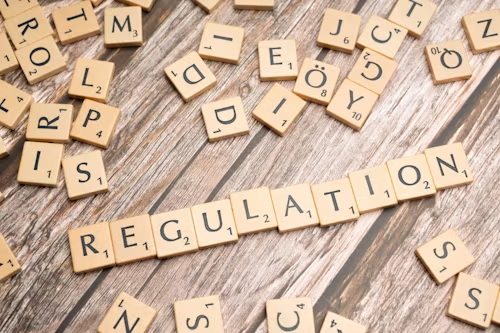
When anger rises to the surface or you feel yourself becoming triggered, your nervous system is often moving into survival mode. Your body reacts before your mind has time to fully process what is happening. That is why emotional regulation must involve both the mind and the body. The first and most important step is awareness. Many adults react automatically because they do not notice the early warning signs of dysregulation. Emotional escalation usually begins in the body before it reaches behavior. You may notice:
- a racing heart
- clenched teeth or fists
- shallow breathing
- heat in your chest or face
- muscle tension
- irritability
- overstimulation
- or the sudden urge to yell, shut down, or escape
Learning to recognize these signs early gives you the opportunity to pause before reacting.
One of the most effective regulation tools is controlled breathing. Slow, intentional breathing signals safety to the nervous system and helps bring the body out of fight-or-flight mode.
Some helpful breathing techniques include:
Box Breathing
Breathe in for 4 seconds.
Hold for 4 seconds.
Exhale for 4 seconds.
Hold again for 4 seconds.
Repeat several times.
This helps slow racing thoughts and regulate the nervous system.
4-7-8 Breathing
Inhale for 4 seconds.
Hold for 7 seconds.
Exhale slowly for 8 seconds.
This technique is especially helpful for anxiety, overwhelm, and anger because long exhales help calm the body.
Deep Belly Breathing
Place your hand on your stomach and focus on breathing deeply enough for your stomach to rise instead of your chest. This helps activate the parasympathetic nervous system, which supports calm and regulation.
Another important regulation tool is creating physical space before reacting. Walking away for a moment is not avoidance when done intentionally. Sometimes the healthiest response is:
“I need a moment to calm down so I can respond better.”
Taking space can prevent words or reactions that create disconnection or regret.
Movement is also a powerful emotional regulation tool because emotions are stored physically in the body. Anger and stress often need physical release.
This can look like:
- going for a walk
- stretching
- exercising
- shaking out tension
- Dancing (and choosing silly)
- cleaning
- or stepping outside for fresh air
- Silly loud noises versus yelling!
Movement helps the nervous system complete stress cycles instead of holding them internally.
Journaling is another valuable practice because it helps externalize emotions instead of bottling them up. Many adults suppress emotions until they explode because they never process what they are carrying. Journaling can help identify triggers, recurring emotional patterns, fears, unmet needs, stressors, and emotional wounds/
Helpful journal prompts might include:
- What am I really feeling right now?
- What triggered me today?
- What need is underneath this emotion?
- What does this situation remind me of?
- How do I want to respond instead of react?
Sometimes anger is not actually anger at all. It may be exhaustion, overstimulation, hurt, fear, embarrassment, or feeling out of control. Journaling helps uncover what is beneath the surface.
Grounding techniques can also help bring you back into the present moment when emotions feel overwhelming.
One simple grounding exercise is the 5-4-3-2-1 method:
- Name 5 things you can see
- 4 things you can touch
- 3 things you can hear
- 2 things you can smell
- 1 thing you can taste
This helps interrupt spiraling thoughts and reconnect the brain to the present environment.
Another major part of emotional regulation is learning healthy self-talk. Many adults escalate emotionally because their inner dialogue is harsh, catastrophic, or shame-based.
Instead of:
“I’m failing.”
“I can’t handle this.”
“Everything is ruined.”
Try:
“I’m overwhelmed right now, but I can calm down.”
“This moment is hard, not permanent.”
“I can pause before responding.”
The nervous system responds to the way we speak to ourselves. Sleep, nutrition, hydration, and overstimulation also play a huge role in emotional regulation. A dysregulated body struggles to support a regulated mind. Chronic exhaustion, constant stress, lack of rest, and sensory overload lower emotional tolerance significantly. Sometimes emotional regulation begins with meeting basic physical needs consistently.
It is also important to learn your personal triggers. Triggers are often connected to unresolved experiences, fears, unmet emotional needs, or learned survival responses. Understanding your triggers helps you prepare for them instead of being controlled by them.