Summer has a way of bringing two very different things at the same time: more freedom and more frustration. The days are longer, the weather is inviting, and there are endless opportunities for adventure, but somehow screens can still become the easiest way to fill the hours. Before long, parents may find themselves repeating the same phrase over and over again: "It's time to turn it off."
Getting kids away from screens does not have to become a daily argument. Instead of making technology the enemy, summer can be a chance to create a new rhythm that brings curiosity, creativity, and connection back into everyday life. The goal is not to completely eliminate screens. Screens can be wonderful tools for learning, creativity, and entertainment. The goal is to help children remember that there is an entire world waiting for them beyond the glow of a device.
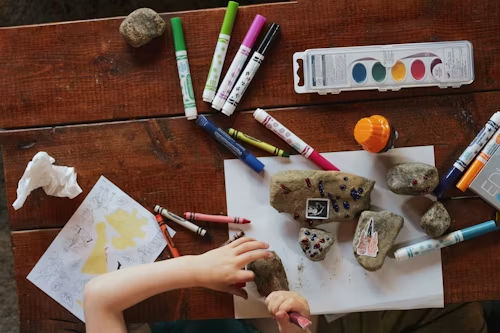
Activity
One of the simplest ways to encourage more outdoor time is to make outside feel like an invitation rather than a rule. Children are naturally drawn to discovery, especially when they have the freedom to explore. A backyard can become a place for building, imagining, collecting treasures, creating games, or simply noticing the small details of nature that often go unseen.
Try creating small moments of adventure throughout the week. A walk around the neighborhood can turn into a scavenger hunt. A trip to the park can become a nature exploration. A rainy afternoon can become the perfect opportunity to search for worms, splash in puddles, or watch the clouds drift across the sky. The magic is often found in slowing down enough to notice what is already around you.
When children spend time outdoors, they are learning far more than they realize. Climbing teaches resilience. Falling teaches perseverance. Observing insects or plants nurtures curiosity and patience. Building forts, creating obstacle courses, or inventing games develops problem-solving skills without feeling like a lesson. Nature invites children to ask questions instead of searching for quick answers, and that habit of curiosity becomes a lifelong skill that extends into school, careers, relationships, and personal growth.
Encouragement
Another way to make the transition away from screens easier is to offer something exciting to move toward. When a child hears, "Turn off the tablet," it can feel like something is being taken away. But when they hear, "Let's build a fort outside," or "Let's make a backyard adventure map," the focus shifts from losing something to gaining an experience.
Summer is also the perfect season for old-fashioned boredom. While boredom can feel uncomfortable at first, it is often where creativity begins. Without constant entertainment filling every quiet moment, children have the chance to invent, problem solve, and discover their own interests. The stick becomes a wand, the cardboard box becomes a spaceship, and the backyard becomes an entire world waiting to be explored.
As adults, we often rush to fill every empty moment with noise, scrolling, or productivity. Children are learning from us whether quiet moments are something to avoid or something to embrace. Giving them permission to be bored teaches them that they are capable of creating joy instead of waiting for it to be delivered. It builds confidence in their own imagination and reminds them that fulfillment often comes from what we create, not just what we consume.

Routine
Creating a simple summer routine can help make balance feel natural. Maybe mornings begin with outside play before any devices are turned on. Maybe afternoons include a creative project, a family walk, or time spent in the garden. Small changes can make a big difference when they become part of the everyday rhythm of summer.
Children thrive on predictable rhythms because routines provide a sense of security while still leaving room for spontaneity. A consistent flow to the day helps reduce power struggles because expectations are already understood rather than constantly negotiated. Instead of screens becoming the default activity, they become one part of a well-balanced day.
The routines we build during childhood often become the habits we carry into adulthood. Learning to balance work with rest, technology with movement, and entertainment with creativity are skills that many adults spend years trying to develop. By introducing healthy rhythms now, parents are helping their children build habits that can support their well-being for years to come.
Connection
Parents can also join in on the fun. Children are much more likely to step away from screens when they see the adults around them engaging with the world too. Put down the phone, sit outside together, start a project, or simply spend time talking. Some of the most meaningful summer memories come from ordinary moments shared together.
Children may not always remember the expensive vacations or perfectly planned activities, but they often remember how they felt. They remember catching lightning bugs after dinner, laughing during a water balloon fight, gardening with a parent, or lying in the grass watching clouds pass overhead. These seemingly ordinary moments become the stories they carry into adulthood.
Connection is built through shared attention. Every time we choose to be fully present, we are telling our children that they are worth our time. Those conversations while walking, building, or simply sitting together often become opportunities for children to open up about their thoughts, worries, dreams, and questions. Relationships grow strongest not through grand gestures but through consistent moments of presence.
Perhaps one of the greatest gifts we can give our children is showing them that life is meant to be experienced, not simply observed through a screen. When they see us choosing conversation over scrolling, fresh air over endless notifications, and real experiences over virtual ones, they learn to value those choices for themselves. A summer reset is not about creating a perfect schedule or removing every screen from your home. It is about creating space for connection, imagination, and experiences that children will remember long after summer ends. It's about helping children develop curiosity, resilience, creativity, and confidence while reminding ourselves that these are qualities we never outgrow.
The best adventures are often the ones that do not require a password, a charger, or a Wi-Fi connection. Sometimes all it takes is stepping outside, slowing down, and discovering that the world has been waiting for us all along.