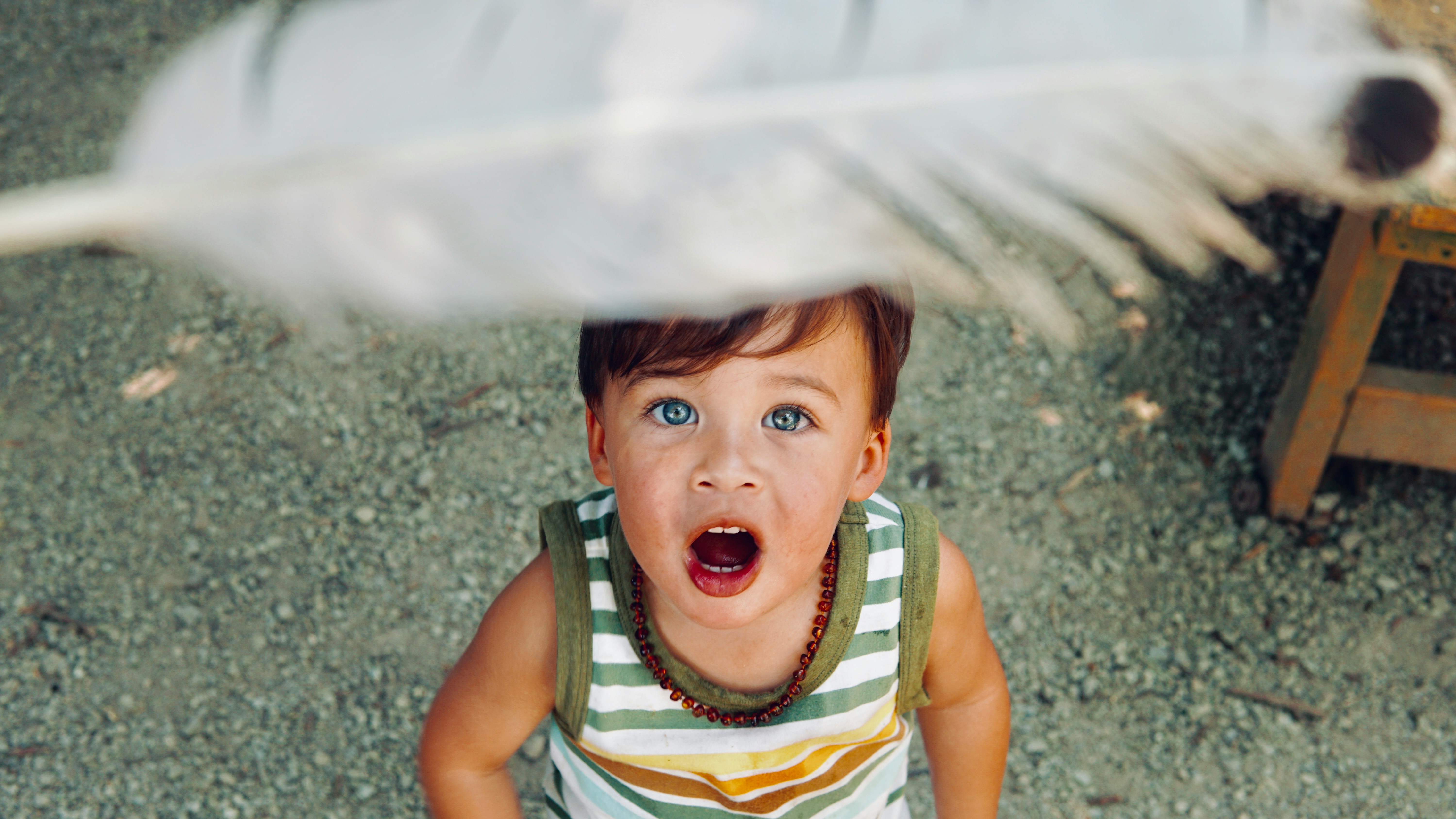
There is something magical about the way children experience the world. A puddle isn't just water, it's an ocean waiting to be explored. A stick isn't simply a stick, it's a sword, a magic wand, a fishing pole, or the beginning of an entire imaginary world. A single question about why the sky changes colors at sunset can spiral into conversations about space, weather, light, and even art. Curiosity comes naturally to children. It is one of the first ways they begin to understand themselves and the world around them.
Yet somewhere along the way, wonder often gets replaced with certainty. School schedules, standardized testing, busy calendars, and the pressure to "know the right answer" can unintentionally shift the focus from asking questions to finding answers as quickly as possible. While knowledge is important, curiosity is what makes knowledge meaningful. Facts can be memorized, but wonder is what inspires someone to keep searching long after the lesson ends. The wonder that makes us dive deeper in, while learning an abundance of new things on the way.
Summer offers something increasingly rare: unstructured time. Without the constant rhythm of assignments and deadlines, children have the opportunity to notice things they might otherwise overlook. They have time to ask why ants march in lines, where butterflies sleep at night, why some clouds look fluffy while others stretch across the sky, or why certain flowers only bloom during particular times of the year. These seemingly simple observations are often the beginning of deeper learning. Curiosity is education in its purest form.
The way adults respond to children's questions also shapes how curiosity develops. It is tempting to provide immediate answers, especially when information is only a quick internet search away. However, responding with, "What do you think?" transforms a question into an invitation. Instead of ending the conversation, it opens the door for imagination, reasoning, and critical thinking. Children begin connecting ideas, forming hypotheses, and learning that not every question has to be answered immediately to have value. Sometimes the conversation itself becomes more important than arriving at the correct conclusion.
The Wonder Journal
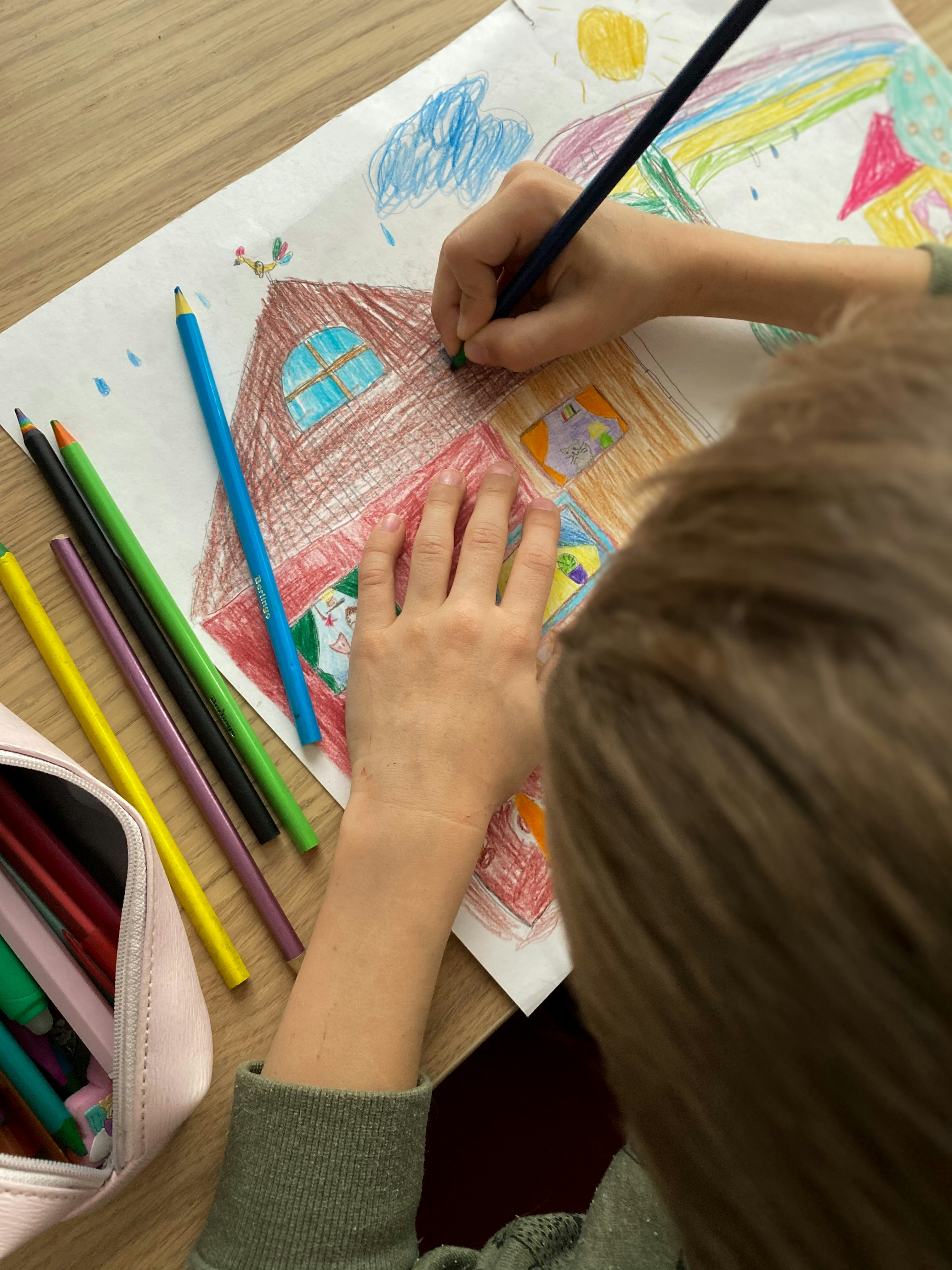
One beautiful way to preserve these moments is by keeping a Wonder Journal. This journal will become a collection of observations, questions, sketches, pressed leaves/flowers, overheard conversations, or even ideas/questions that don't have an answer yet. One week your jots down the thought: "Why do birds sing before sunrise?" and then return to the question after noticing or learning something new. The journal then becomes a living record of curiosity rather than a place to demonstrate what they already know. Looking back through its pages reveals not only what fascinated them, but how their thinking has grown over time. (hack: this is such a good way to keepsake your child's growth over the years!)
Wonder also flourishes in unfamiliar places. Visiting a new park instead of the usual playground, walking a different neighborhood, exploring a local nature preserve, wandering through a museum, stopping at a farmers market, or even watching the stars from a quiet field all invite fresh questions. New environments naturally encourage children to observe more closely because everything feels just a little different. There are a lot more questions, comparisons, and exploration. And exploration reminds us that learning doesn't only happen inside classrooms or textbooks, it happens anywhere people are paying attention.
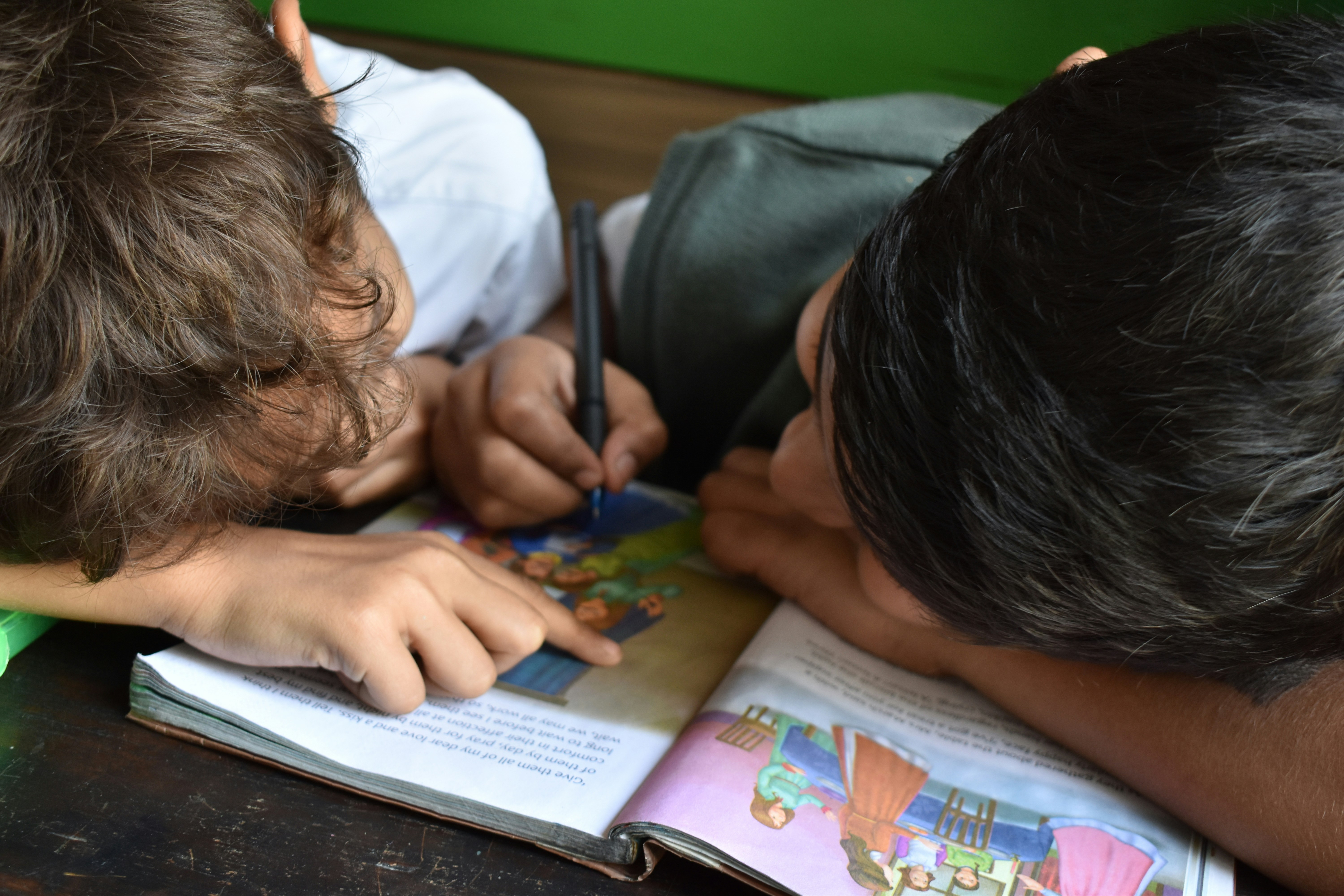
Perhaps the greatest lesson curiosity teaches is that it is okay not to know everything. In many ways, lifelong learners are not defined by how many answers they have but by how willing they are to continue asking thoughtful questions. They become people who investigate, create, adapt, and remain open to new perspectives. That mindset reaches far beyond academics. It shapes careers, relationships, creativity, problem-solving, and resilience throughout life. As adults, we often talk about preparing children for the future by teaching skills, building routines, and encouraging achievement. And those things certainly do matter, but one of the greatest gifts we can nurture is the simple desire to keep wondering. A child who never loses their curiosity will continue learning long after the school year ends. They'll notice details others miss, seek understanding instead of assumptions, and approach life with excitement rather than obligation.
This summer, perhaps the goal isn't to fill every day with activities or ensure every moment is productive. Perhaps it's simply to leave enough room for questions without immediate answers, discoveries without expectations, and adventures without a destination. Because long after children forget the dates they memorized or the worksheets they completed, they'll remember what it felt like to wonder and that may be the lesson that stays with them the longest.